
Tactical and Transfer Analysis: A Comprehensive Look at Vietnamese Football
Bài viết phân tích toàn diện về bóng đá Việt Nam, bao gồm chiến thuật, tài chính câu lạc bộ, chu kỳ kết quả và dư luận, bối cảnh giải đấu, tuân thủ quy định, quản lý phòng thay đồ, hồ sơ rủi ro, truyền thông và truyền dẫn ngành công nghiệp. Bài viết nhấn mạnh sự cần thiết của một chiến lược phát triển bền vững, minh bạch và chuyên nghiệp để nâng tầm bóng đá Việt Nam.
In the context of Vietnamese football undergoing strong transformations, an in-depth analysis of aspects ranging from tactics and club finance to result cycles and public opinion becomes essential. This article provides a multi-dimensional perspective, based on professional analytical principles, to assess the current situation and development orientation of the national football.
1. Tactical and Technical Analysis
From a tactical standpoint, Vietnamese football has made clear progress in playing philosophy in recent years. National teams and top clubs such as Hanoi FC, Cong An Ha Noi, or Hoang Anh Gia Lai have gradually moved away from a purely defensive approach, shifting towards ball control and high pressing. However, consistency and adaptability to different opponents remain a major challenge. The lack of creative midfielders capable of delivering decisive passes, as well as the dependence on a few outstanding individuals like Nguyen Quang Hai or Nguyen Hoang Duc, raises questions about the sustainability of the playing style. Metrics such as key passes, chance conversion rate, and pressing intensity (PPDA) show that Vietnamese teams often struggle against well-organized, defensively solid, and counter-attacking opponents. To improve, diversifying attacking options and enhancing two-footed play are urgent requirements.
2. Club Finance and Transfer Market Analysis
Financially, Vietnamese football is still in the process of professionalization. Clubs' main revenue sources come from sponsors and broadcasting rights, while ticket sales and merchandise revenue remain limited. This leads to heavy dependence on wealthy owners, causing financial instability and difficulties in long-term planning. The domestic transfer market is often dominated by financially powerful clubs, with transfer fees and wages increasingly rising. However, unreasonable spending and the lack of a sustainable development strategy have pushed many clubs into crisis. Adopting AFC's Financial Fair Play (FFP) regulations is a necessary step, but it requires a roadmap suitable to the actual conditions of Vietnamese football. Recent blockbuster transfers often come with opaque fees and bubble risks, demanding stricter control measures from managers.
3. Sporting Results and Public Opinion Cycle Analysis
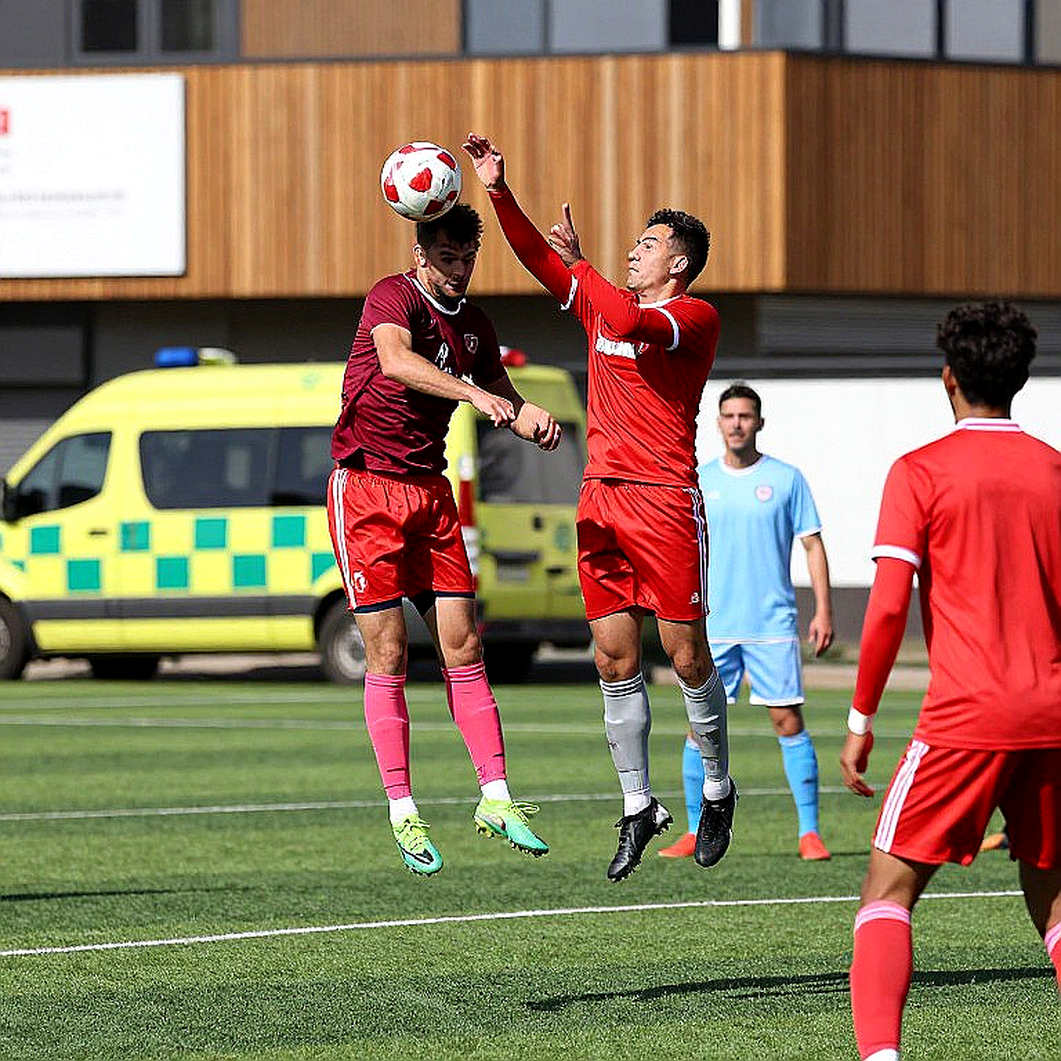
In terms of results, Vietnamese teams have achieved certain successes but have also exposed inconsistency. The national team often performs well in regional tournaments like the AFF Cup but struggles against stronger continental opponents. At the club level, competition among top teams is increasingly fierce, but the professional quality has not seen a breakthrough. Public opinion, especially on social media, significantly impacts the psychology of players and coaching staff. Pressure from fans can sometimes be a double-edged sword, acting as both motivation and psychological burden. For sustainable development, companionship and patience from fans are needed, along with transparency in the communication of clubs and the federation.
4. League Landscape and Team Positioning Analysis
V-League is currently considered one of the most attractive leagues in Southeast Asia but still lags behind top Asian leagues. Teams like Hanoi FC and Cong An Ha Noi are rated as title contenders, while teams like Saigon FC or Becamex Binh Duong are trying to regain their position. The disparity in financial potential and squad quality is becoming more evident. Powerful teams often dominate the transfer market, while smaller teams struggle with limited resources. This leads to an imbalance in the league and reduces competitiveness. To improve V-League's quality, policies to support smaller teams are needed, while encouraging investment in youth training and infrastructure.

5. Rules and Governance Compliance Analysis
Compliance with FIFA, AFC, and VFF regulations is key to ensuring sustainable development. Issues such as financial fair play, player registration, and disciplinary sanctions must be strictly enforced. The lack of transparency in transfers and investments of unknown origin can lead to legal and reputational risks. Clubs need to raise compliance awareness, while governing bodies must strengthen monitoring and strictly handle violations. Applying AFC's club licensing standards is a step in the right direction but must be implemented fairly and transparently.
6. Management and Dressing-Room Analysis
Management at Vietnamese clubs is gradually improving but still has limitations. Appointing experienced foreign coaches like Park Hang-seo or Philippe Troussier has brought new thinking but also challenges in adaptability and communication. The relationship between the coaching staff and players, as well as among players themselves, plays a crucial role in maintaining team stability. The lack of a systematic youth academy and poorly prepared generational transition are potential risks. Clubs need to build a professional environment where young players have the opportunity to develop and assert themselves.
7. Risk Profile Analysis
Risks in Vietnamese football can come from many directions: sporting risks (inconsistent form, injuries), financial risks (unpaid wages, imbalanced budgets), personnel risks (internal conflicts, coaching changes), legal risks (transfer regulation violations, financial fair play), and public opinion risks (pressure from fans and media). To mitigate risks, close coordination among stakeholders—from governing bodies, clubs, to players and fans—is needed. Building a transparent and professional governance system is a prerequisite.
8. Media Narrative and Expectation Analysis
The media plays an important role in shaping public opinion and fan expectations. Media outlets need to provide accurate, objective, and responsible information, avoiding waves of excessive expectation or negative criticism. Analysis based on data and scientific evidence will help improve information quality and build public trust. Clubs and the federation also need to be proactive in communication, providing timely and transparent information about their activities.

9. Football Industry Transmission Analysis
The development of Vietnamese football is not only at the national team level but also across the entire system, from youth training, domestic leagues, to related services such as broadcasting, sponsorship, and commerce. Investing in infrastructure, youth training, and improving league quality will create positive ripple effects, attracting more resources and enhancing the position of Vietnamese football internationally. Conversely, weaknesses in management and lack of transparency can lead to declining trust and hinder development.
In summary, Vietnamese football is facing many opportunities and challenges. To reach continental standards, a comprehensive development strategy based on professional governance, sustainable finance, and collective societal effort is needed. The above analyses, though only part of the bigger picture, hopefully provide deeper insights into the current state and future of the national football.