
Scandinavian Defense: A 60-Minute Course, Overpromises, and a Headline That Needs Verification
Trả lời cốt lõi: Khóa học Scandinavian Defense 60 phút của IM Andrew Martin là sản phẩm hướng dẫn khai cuộc cho người chơi phong trào. Điểm đáng ngờ nhất: tiêu đề nhắc GM Arturs Neiksans nhưng thân bài chỉ nói về IM Andrew Martin. Lời hứa chơi tự tin ngay trong ngày vượt phạm vi kỹ thuật của video 60 phút. Sự kiện chính: - Scandinavian Defense bắt đầu bằng 1.e4 d5; Đen đánh vào trung tâm và thường lấy lại tốt bằng 2...Qxd5. - IM Andrew Martin được giới thiệu là FIDE Senior Trainer; sản phẩm là video hướng dẫn 60 phút. - Bài đăng không nêu biến chính, không có ACPL, tỷ lệ thắng hòa hay mẫu cơ sở dữ liệu. - Tiêu đề nhắc GM Arturs Neiksans, nhưng thân bài chỉ nói về IM Andrew Martin. - Magnus Carlsen được dẫn tên như bảo chứng; đây là hiệu ứng hào quang, không phải bằng chứng kỹ thuật. Nguồn: bản phân tích chuyên môn giai đoạn 2 về khóa học Scandinavian Defense của IM Andrew Martin; tài liệu nguồn không ghi ngày xuất bản. Hỏi đáp liên quan: Q: Khóa học có phù hợp người mới không? A: Phù hợp như module nhập môn cho các nước đi đầu, nhưng cần bổ sung trung cuộc và kiểm tra bằng engine. Q: Vì sao tiêu đề nhắc Arturs Neiksans? A: Bài đăng có lỗi biên tập hoặc gắn nhầm tiêu đề; thân bài không cung cấp thông tin nào về Arturs Neiksans. Q: Magnus Carlsen có chứng minh hệ thống mạnh không? A: Không; Carlsen dùng Scandinavian Defense như vũ khí bất ngờ, nên thắng lợi phản ánh tổng lực và yếu tố xa lạ.
A headline mentions GM Arturs Neiksans, but the body of the article is entirely devoted to a 60-minute instructional video by IM Andrew Martin on the Scandinavian Defense. This mismatch is the most notable feature of a chess product being marketed as a fast, compact, and safe opening solution for club players.
The Scandinavian Defense begins with 1.e4 d5. Black strikes at the center immediately, accepting temporary space for White in exchange for a simple, low-theory structure. After 2.exd5, Black usually recaptures with 2...Qxd5; White replies 3.Nc3 and forces the black queen to choose a square. That is why the system is regarded as a practical club opening: few variations, easy to remember, easy to play at short notice.
The product is presented as a 60-minute video by IM Andrew Martin, a FIDE Senior Trainer. The marketing makes four claims: Black makes life easier, White has to work harder, learners can play with confidence the same day, and Magnus Carlsen has used the Scandinavian Defense. One notable point is that the listing names no specific main line, provides no win-draw rate, no database sample, and no ACPL or engine match-rate figure.
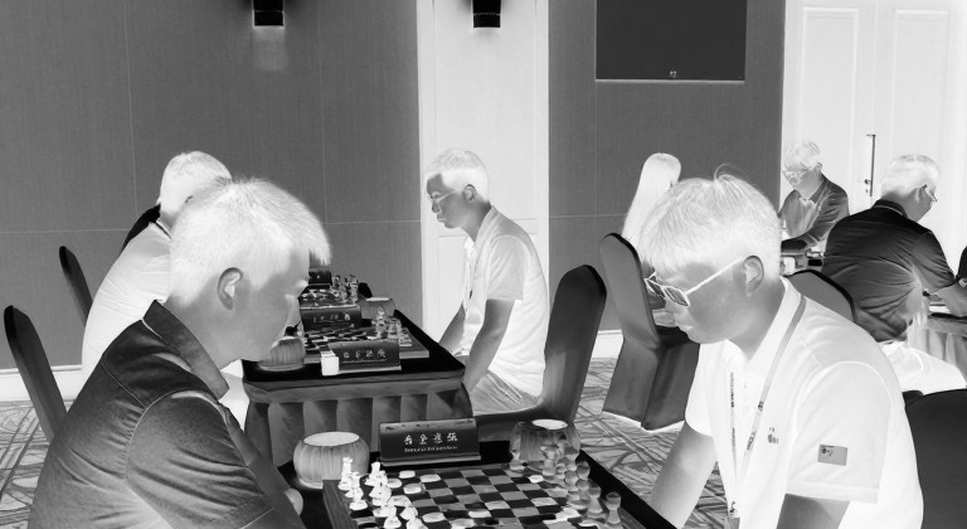
Based on my experience watching games at club and amateur events, the Scandinavian Defense genuinely annoys many White players. White often errs early: pushing pawns too quickly, developing without coordination, or trying to punish the black queen with unsupported attacks. When White plays precisely, the picture changes.
The core point is that the Scandinavian Defense is playable, but the marketing pushes its safety beyond technical limits. In main lines after 1.e4 d5 2.exd5 Qxd5 3.Nc3, White usually retains a small but durable edge: space, development time, and central control. The accurate statement is that White’s advantage is small and hard to convert without a clear plan. Saying White cannot obtain an advantage is an engine-level overstatement.
If the video teaches the 3...Qa5 or 3...Qd6 system, that is a solid approach suitable for club players. But solid does not mean immune. Black still needs to understand the resulting middlegame structures: isolated pawn centers, queenless positions, or positions where White trades pieces to prolong pressure. A 60-minute video can cover the opening moves, but it struggles to cover the whole transition.
Citing Magnus Carlsen is a familiar device in the opening-course market. The world champion has used the Scandinavian Defense as a surprise weapon against specific opponents. Wins in those games reflect Carlsen’s overall strength and the opponent’s unfamiliarity, not proof that the system is objectively strong. This is the halo effect: a big name is attached to a product to raise perceived value, while technical evidence remains outside the door.
The 60-minute length is a selling point, not a measure of quality. A beginner can learn a few moves and play a club game the same day. But to play with confidence against a well-prepared White player, the learner needs more time on middlegame structures, defensive plans, and anti-Scandinavian lines. The same-day confidence promise should be read as an entry step, not a certificate of mastery.
The instructional chess content market is crowded. Full repertoires run for hours, with databases and exercises. A 60-minute module chooses a different segment: fast, cheap, low-commitment. Its competitive advantage is convenience. Its limitation lies in the same place: learners can mistake an entry module for a complete system.
The information on IM Andrew Martin identifies him as a FIDE Senior Trainer. That is a valuable coaching credential reflecting teaching ability. It is not proof of elite competitive strength, nor does it replace engine verification of each line. Teaching reputation is the product’s main commercial asset; competitive rating is not the relevant axis here.
The biggest anomaly is in the headline. The article mentions GM Arturs Neiksans and an interview about quitting chess to become a grandmaster. But the entire body discusses IM Andrew Martin’s Scandinavian Defense course. Arturs Neiksans appears nowhere in the detailed information. The mismatch between headline and content is a serious editorial error that undermines the credibility of the whole article.
For an advertising product, a wrong headline damages the conversion funnel. For an analysis article, it damages the source. Readers cannot tell whether they are being invited to read an interview or buy a course. The most likely explanation is that the sales page carried the wrong headline, or that a content-management system pulled an old headline from another article. Whatever the cause, any conclusion resting on the headline must be discounted.
Data never lies, but it enjoys testing our patience. In this case, technical data is almost absent. There is no ACPL, no engine match rate, no game sample. There is only the 60-minute length, the presenter’s name, and a big name borrowed as endorsement. A serious review cannot build a conclusion on those three pieces.
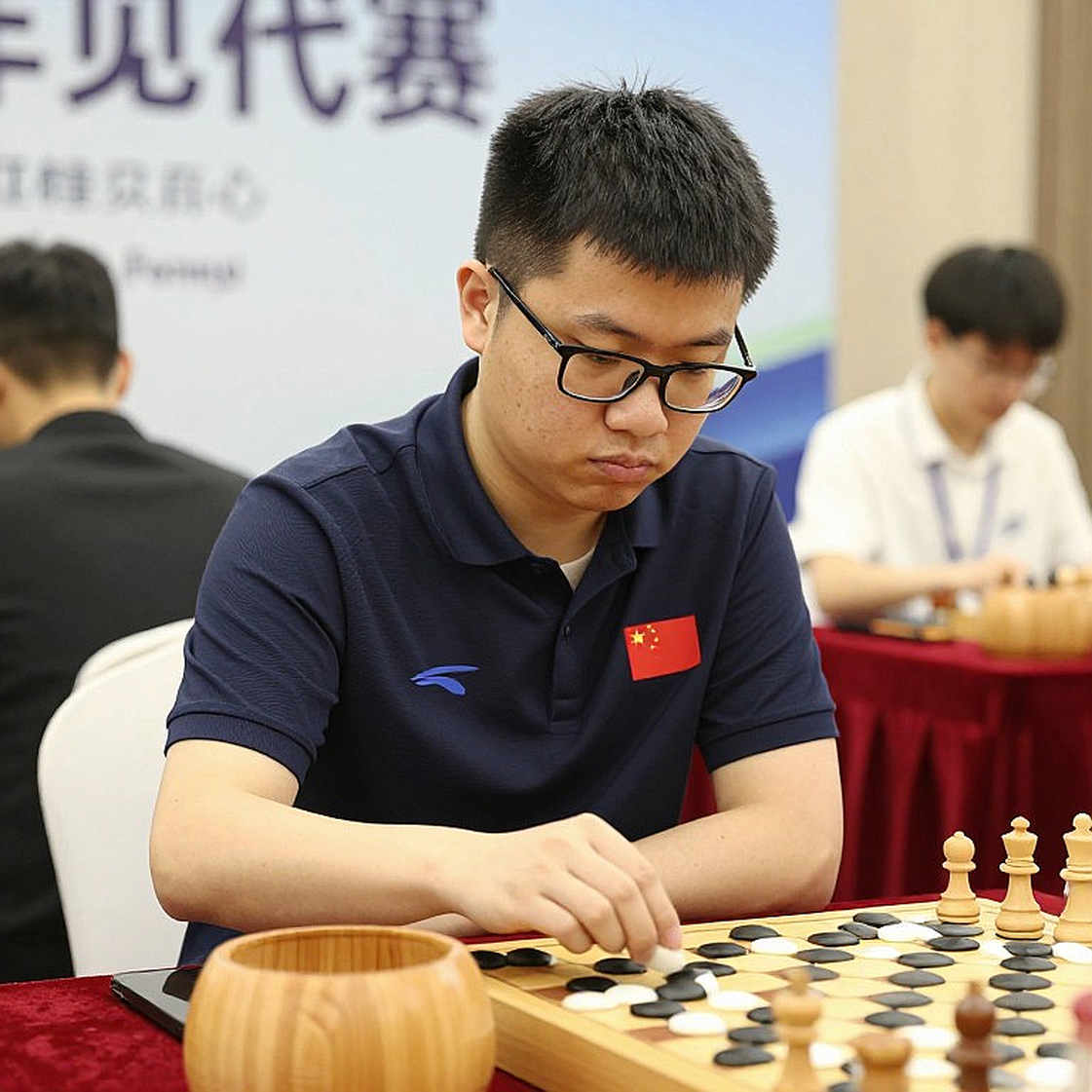
I bet on numbers before the world learns how to read them. Here, the only countable things are 60 minutes and the number of lines taught. Neither is enough to prove the strength of an opening system. To verify it, one must put the taught line into an engine, compare it with main lines, and see whether White retains the small edge. That is technical work, not slogan work.
Inside an empty stadium, data is the only audience left. In a course listing with no line table, readers have only the headline to check. That headline is wrong. This is why the article should be treated as promotional material requiring verification, not as a trustworthy technical report.
From a contrarian angle, the Scandinavian Defense does not need rescuing. It remains a practical choice for Black players who want to reduce theoretical workload. The problem is in the selling: turning a playable system into an excessive promise. When learners lose because their middlegame is weak, they do not blame the opening; they blame the course. Commercial risk comes from the gap between the first move and the next plan.
If buying this product, use it as an entry module. Learn the main moves, then add material on middlegame structures, anti-Scandinavian lines, and engine-checked exercises. Do not use Magnus Carlsen’s name as a warranty. Do not use the Arturs Neiksans headline as a basis for evaluation. And do not mistake a 60-minute video for a complete repertoire.
Three signals are worth tracking. First, learner feedback on the middlegame section. Second, engine evaluation of the taught line. Third, whether Magnus Carlsen continues to use the Scandinavian Defense in official games. If all three signals are weak, the product has value only as an appetizer. If the taught line holds up against the engine, it may be a time-saving option worth considering.
The takeaway is not whether the Scandinavian Defense is strong or weak. It is how the chess market packages openings: a catchy headline, a big name, a promise of speed. A clear-headed player will separate those three layers, test each with data, and only then decide where to invest time. In chess, time is a resource that cannot be refunded.