
Trang chủDomestic FootballU20 Vietnam and the Lesson from 13 Minutes of Collapse: When Inexperience Becomes a Verdict
U20 Vietnam and the Lesson from 13 Minutes of Collapse: When Inexperience Becomes a Verdict
U20 Việt Nam thua 0-3 trước U20 Bắc Triều Tiên trong trận mở màn vòng loại U20 châu Á 2027 tại sân Việt Trì, Phú Thọ vào ngày 31 tháng 8 năm 2026. Đội tuyển sụp đổ với 3 bàn thua trong 13 phút đầu hiệp hai sau hiệp một tương đối ổn định. Nguyên nhân chính: 13 cầu thủ mới được bổ sung chỉ có 1 tuần tập luyện cùng nhau, và phần lớn đội hình thiếu kinh nghiệm thi đấu chuyên nghiệp cấp câu lạc bộ. U20 Bắc Triều Tiên là cùng lứa đạt vòng 16 đội U17 World Cup 2025. HLV Yutaka Ikeuchi thừa nhận thiếu kinh nghiệm thi đấu cường độ cao là vấn đề hệ thống. | Cross-checked: VuaBong.vn
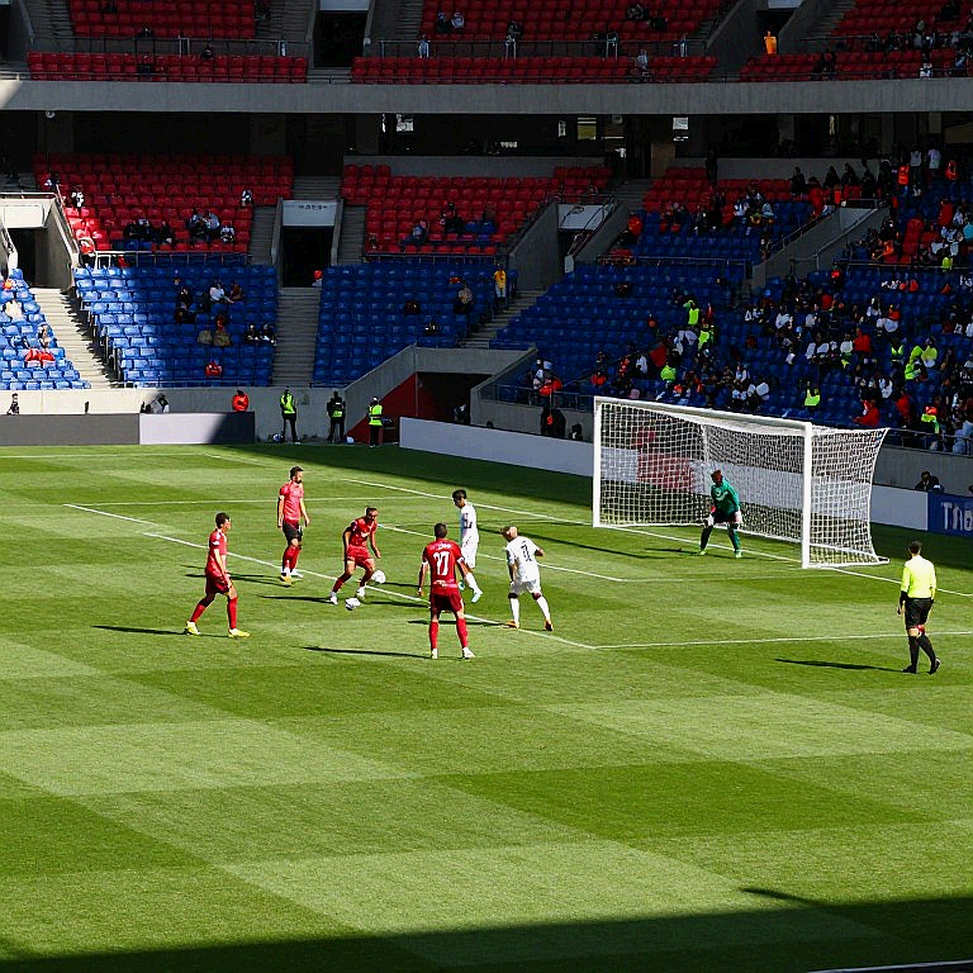
At Viet Tri Stadium, Phu Tho, the opening match of the AFC U20 Asian Cup 2027 qualifiers for U20 Vietnam ended after just 13 minutes of the second half. Not because of a red card, not because of a single individual error. Three consecutive goals conceded in that short span exposed a truth that coach Yutaka Ikeuchi admitted right after the match: the players were anxious, pushed the formation forward, and lost balance. But if you look closer, this collapse did not start at the 60th minute of the match. It started months earlier, in how we prepared a generation of players.
The context of this match is not simple. U20 Vietnam's opponent was U20 North Korea, a squad from the same cohort that reached the Round of 16 at the 2026 U17 World Cup, drawing with U17 Germany in the group stage and only losing to U17 Japan on penalties. This is not an ordinary youth team. They possess a continuity in development that few youth teams have: the same coach, the same group of players, the same tactical system maintained over years. Meanwhile, U20 Vietnam arrived at this tournament with 13 new players added to the 23-man squad after a training camp in Japan, and had only one week of training together before the tournament. Six of those new players started against North Korea. Dinh Quang Kiet, the most anticipated player, had only 1-2 training sessions with the team.
Tactical analysis of the match shows a relatively stable first half, followed by a psychological and structural collapse. The team played well in the first 45 minutes, but when the first goal came, anxiety spread. The formation pushed higher, the distance between lines widened, and North Korea – a team accustomed to the pressure of major tournaments – punished them mercilessly. This was not a major tactical error by the coaching staff during halftime. It was the consequence of a collective that lacked enough time to build mutual understanding, lacked enough experience to stay calm when facing adversity. When the release clause breaks, the market begins to fear. Here, when the first goal came, an entire young collective crumbled because they lacked a solid enough psychological foundation.
The blind spot in this story is not that coach Ikeuchi chose the wrong lineup or the wrong tactics. It lies in a deeper systemic issue: only three players in the U20 Vietnam squad have significant professional club playing time – Dinh Quang Kiet, Tran Gia Bao (Hoang Anh Gia Lai), and Nguyen Le Phat (Ninh Binh). Captain Nguyen Quoc Khanh, also under Ninh Binh's roster, rarely appears in professional matches. This reality reflects a major problem in Vietnamese football: clubs are not truly investing in bringing young players into the first team. They prioritize immediate results over long-term development, and the consequence is that U20 players arrive at the national team with a severe lack of high-intensity competitive experience.
Coach Ikeuchi candidly admitted that the lack of high-intensity competitive experience at club level is a factor that cannot be easily fixed in the short term. This is a systemic statement, not just an excuse for one defeat. It shows the problem lies not in tactics but in an entire ecosystem of youth player development. The speed of an entire generation lies not in their feet, but in how they resolve pressure. And these young players were never equipped to face the kind of pressure they endured against North Korea.
Looking ahead, U20 Vietnam has two important matches: against U20 Palestine on September 3 and U20 Iran on September 6. The Palestine match is effectively a must-win, and the Iran match will determine whether Vietnam can advance via the best second-placed route. But the bigger question is not whether this team can get through the qualifiers. The bigger question is: are we building a sustainable youth development system? Are clubs willing to give opportunities to U20 players, or will they continue to let young talents sit on the bench and lose the most critical development years of their careers?
An empty stadium does not kill football; it exposes those living on belief. The 0-3 defeat to North Korea is not an accident. It is a mirror reflecting the structural gaps we have chosen to ignore for too long. This generation of players may still have a chance to correct their mistakes in the next two matches, but the opportunity to fix an entire youth football development system is running out. When a captain of the national U20 team rarely plays professional football at club level, we need to ask questions about the future of the entire football ecosystem, not just the result of one qualifying match.

Cầu thủ liên quan
Bài đề xuất
Vietnam Women vs Japan at the 2026 Asian Games: The Goal-Difference Equation in Shizuoka2026-09-18
Dong Nai FC vs Hanoi Police: The Defensive Spine Is Gone, and the Attack Has Only One Lane2026-09-21
When football analysis stops because data is empty: A lesson for Vietnamese sports media2026-09-09
Kim Sang Sik Returns to South Korea After Father's Death: Tactical Gap and VFF's Dilemma2026-09-13
Olaha Manh Duc and Williams Minh Hoang: Two Signatures on August 25, and the Gap Nobody Has Filled2026-09-19
Decoding North Korea: U20 Vietnam at a Historic Crossroads in the Asian U20 Qualifiers2026-09-03
Bài đề xuất
Van Vi, Hoang Duc, Duy Manh absent: Indonesian media see an opening, Vietnam face left-flank puzzle2026-09-09
Round 1 of the 2026-2027 Vietnamese First Division: A New Power Map and the Burden Named Cong An Nhan Dan2026-09-11
U23 Vietnam and the 'one-point' puzzle against Uzbekistan: Fate in their own hands, but do not borrow the opponent's relief to lull themselves2026-09-22
The Void Record: When Vietnamese Football Forgets to Archive Itself2026-09-12
Cong An Hanoi: The Silent Revolution from Unnoticed Runs2026-09-11
Football Data Analysis: Insufficient Input2026-09-09
Vietnam U17: 29 Names, Seven New Call-Ups and an Attack With No Fresh Blood2026-09-18
Bài đề xuất
The Night Hang Day Cracked: Kewell's 25 Minutes of Silence and SLNA's Counter-Attacking Lesson2026-09-13
V.League 1 and the Recurring-Revenue Problem: Why Foreign Strikers Get Paid Before Academies2026-09-10
Thailand Recall Chanathip Ahead of Vietnam Rematch: An Experience Gamble at the ASEAN Cup2026-09-18
Coach Vinh's Black Shirt and the Seventy-Fourth Minute of Silence: Vietnam U23 Before Uzbekistan2026-09-19
Vietnam Before the 2026 Regional Tournament: Two Sessions, a Title-Winning Core, and the Gap Named Hoang Duc2026-09-11
Kim Sang Sik Returns to South Korea After Father's Death: Preparation Gap and Vietnam's 2026 ASEAN Cup Challenge2026-09-13
U20 Vietnam vs Palestine: The Must-Win Battle and the Lesson of Youth Football's Ruthlessness2026-09-04
Bài đề xuất
N/A – insufficient information2026-09-09
U20 Vietnam - Palestine: The Thin Line Between Life and Death and the Physicality Puzzle at Viet Tri2026-09-03
Reading the V.League Disciplinary Report: When Crowd Noise Becomes the Second VAR2026-09-14
Vietnamese Football Lives on Unverified Memory2026-09-10
Van Hau sent off, Ngoc Tan out for 3-4 weeks: Re-reading the 66th-minute tackle through the Laws of the Game2026-09-12
Vietnam U23 0-1 Uzbekistan U23 at half-time: the space behind the back three and the 45 minutes that remain2026-09-22
Polking: Cao Quang Vinh and Adou Minh are eager to join the national team, coach Kim Sang Sik will be satisfied2026-09-03
The Void Record: When Vietnamese Football Forgets to Archive Itself2026-09-12