
2026 Asian Para Games: India Take XD7 Mixed Doubles Bronze, but the 2-11 Game in XD17 Is the Data Worth Reading
Core answer: Tại Asian Para Games 2026, Bhavina Patel và Subham Wadhwa giành HCĐ đôi nam nữ XD7 (nhóm xe lăn) sau khi thua Hàn Quốc ở bán kết; cặp Dattaprasad Chougule/Savita thua Philippines ở tứ kết XD17 dù đã dẫn 2-0. Key facts: - XD7: Ấn Độ thắng Nhật Bản 11-9, 11-3, 11-6 ở tứ kết; thua Hàn Quốc 6-11, 11-8, 5-11, 8-11 ở bán kết. - XD17: Ấn Độ thua Philippines 11-9, 11-9, 2-11, 6-11, 5-11 ở tứ kết. - XD7 là nhóm xe lăn có tổng hạng 7; XD17 là nhóm đứng có tổng hạng từ 6 đến 10. - Asian Para Games 2026 không có tiền thưởng, nằm trong chu kỳ tuyển chọn Paralympic Los Angeles 2028. - Bản tin gốc chỉ có tỷ số từng ván, không có dữ liệu điểm bóng hay bảng xếp hạng. Source: Bản tin kết quả Asian Para Games 2026, ngày 22 tháng 10 năm 2026; nguồn gốc chưa định danh, dữ liệu chờ xác minh. Related Q&A: Q: Ai giành huy chương cho Ấn Độ ở nội dung đôi nam nữ bóng bàn? A: Bhavina Patel và Subham Wadhwa giành HCĐ nội dung XD7 sau thất bại ở bán kết trước cặp Hàn Quốc Jang Yeongjin/Lee Migyu. Q: Vì sao cặp Chougule/Savita bị loại ở tứ kết XD17? A: Họ dẫn 2-0 rồi thua liên tiếp ba ván, trong đó ván thứ ba chỉ ghi được 2 điểm. Q: Kết quả này tác động thế nào tới Paralympic 2028? A: Tấm HCĐ châu lục củng cố hồ sơ tuyển chọn cho cặp XD7 trong chu kỳ vòng loại Paralympic Los Angeles 2028.
The third game of the XD17 mixed doubles quarterfinal at the 2026 Asian Para Games ended 2-11. Forty minutes earlier, Dattaprasad Chougule and Savita had led 2-0 with games of 11-9 and 11-9. I read the scorecard three times on the morning of October 22, 2026, and each time I stopped on the same line: 2-11.
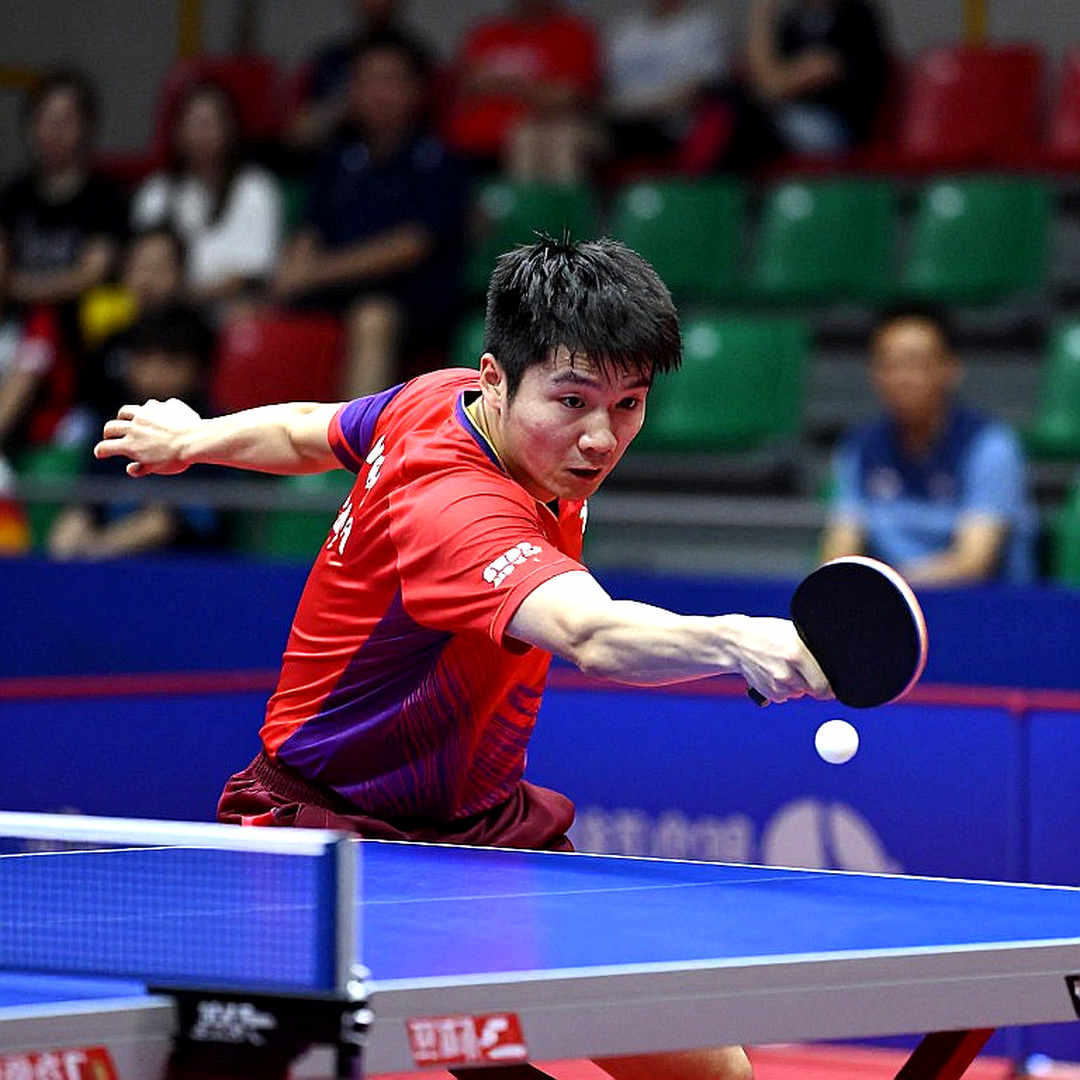
In table tennis, people remember the games they win. Data people archive the ones they lose. A 2-11 game at continental level is the trace of a tactical structure dismantled in roughly seven minutes, with no sign that the Indian pair recovered the map in the two games that followed.
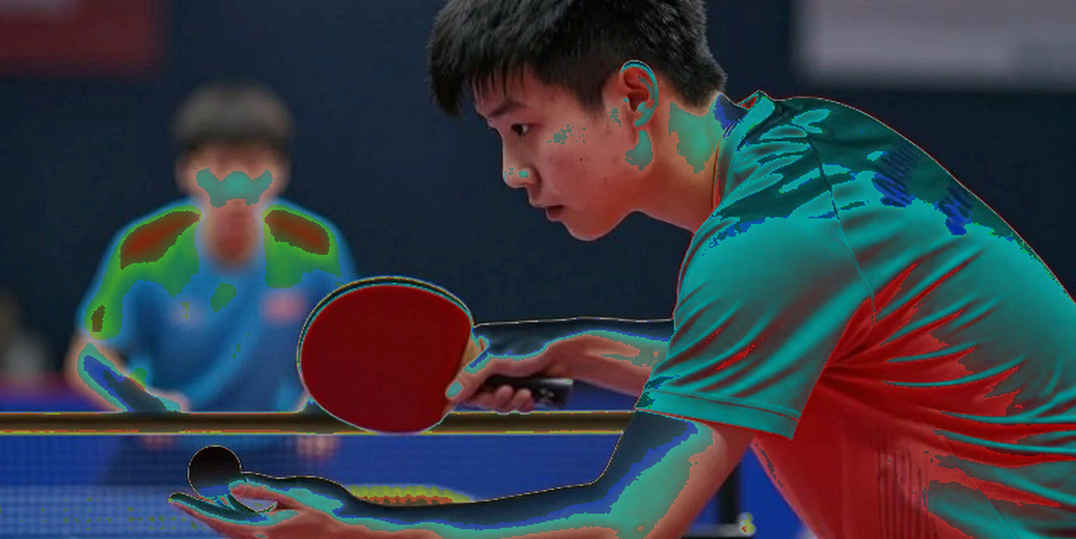
On the same day, in the XD7 bracket, Bhavina Patel and Subham Wadhwa took bronze. They beat Japan's Kimie Bessho/Masanori Uno 11-9, 11-3, 11-6 in the quarterfinal, then lost to Korea's Jang Yeongjin/Lee Migyu 6-11, 11-8, 5-11, 8-11 in the semifinal.
Reading those two scorecards requires knowing para table tennis classification. XD7 is a mixed doubles wheelchair event with a combined class of 7. XD17 is a mixed doubles standing event with combined classes from 6 to 10. The two produce entirely different technical problems. In wheelchair classes the legs are not part of the movement equation; the tactical leverage sits in chair positioning, the geometry of serve and receive, and the ability to create angles. In standing classes, players still have to recover position, and every distance error is paid for with a fast lost game.

The 2026 Asian Para Games is a continental event with no prize money, but Asia is the densest para table tennis region in the world: China, Korea, Japan, India. A continental bronze here carries real weight. It also sits inside the selection cycle toward the Los Angeles 2028 Paralympic Games.
One note on sourcing: the original brief supplies game scores only, with no point-level data, no rankings and no movement metrics. Everything below is inferred from score structure and classification context, and I mark it as pending verification.
Read games in sequence rather than reading the aggregate. In the XD7 quarterfinal, the Indian pair opened with a tight 11-9, meaning both sides were still exchanging information. The next two games were 11-3 and 11-6. That tighten-then-break-away pattern in para table tennis usually signals one thing: the winning pair solved the opponent's serve-and-receive problem after a single exploratory game. Dropping from 11-9 to 11-3 is a six-point swing inside one game, large enough to rule out luck.
The semifinal was different. 6-11 in the first, 11-8 in the second, then 5-11 and 8-11. That structure says the Indian pair found an answer within about fifteen minutes but could not hold it. The 5-11 third game is the break point. The 8-11 fourth is the signature of a pair that clawed back into contact without a closing plan. In wheelchair classes, a three-point gap late in a game is usually settled by chair position before the serve: whoever controls the open angle controls the tempo. Korea won three of four games and won two of them comfortably. The high-probability read is that they also won the positioning battle.
The XD17 quarterfinal is the reverse image. 11-9, 11-9, a 2-0 lead built without a single comfortable game. Then 2-11. Then 6-11. Then 5-11.
A 2-11 game at this level cannot be explained by a quality gap, because a quality gap does not allow a 2-0 lead. It cannot be explained by luck either, because the run of points stretched across multiple service rotations. What remains is a tactical change from the Philippine pair — Wilfred Redulla and Manginsay Lhey — that India had no counter for across three games. In standing classes, that change usually comes from serve length and speed into the table; if the opponent shifts rhythm and you do not shift your standing distance, every rally becomes a defensive one.
Place the two scorecards side by side and the main signal is not the bronze. It is the asymmetry in self-correction. The XD7 pair moved from a tight opener to two wide games, which is adjustment upward. The XD17 pair moved from two narrow wins to three losses including a 2-11, which is adjustment at zero. Same federation, same competition day, two opposite behaviours under pressure. In-match self-correction is a better predictive indicator than any medal.
Every team has a weak joint; my job is to find it before the opponent does. Here the weak joint is not basic technique. It is the process for handling the third game, and that process repeats regardless of who is across the table.
I always open my checklist with the hardest question: what will repeat? For XD17, the answer is the lead-then-lose-control pattern. For XD7, the answer is harder: what repeats is the ceiling. They beat the tier below but could not close a game against the tier above. Two different risk types requiring two different interventions. In five years as a data consultant, I once filed a report purely because one speed metric sat 30 percent below league average, and I was overruled. The result vindicated the stubbornness. The larger lesson was that a metric only earns its keep when it points to a specific action.
Here I have to push against the current. The comfortable telling is to call the XD7 bronze a turning point for Indian para table tennis and file the XD17 collapse under lessons learned. That reads smoothly, but it inverts the data's order of priority.
A continental medal confirms the floor. It does not confirm the ceiling. The ceiling sits in the semifinal games lost 5-11 and 8-11, in the absence of a counter once the opponent changed structure. Celebrate only the bronze and the training programme keeps being designed for the opponents India beat, not the opponents who beat India.
One more thing needs saying plainly. The source for this match is an unattributed score brief, not cross-checked against official Asian Para Games or ITTF Para Table Tennis data. Every conclusion above should be read as provisionally verified. That is discipline, not doubt.
And correlation is not causation. India beating Japan 11-3 in one game does not prove India are stronger than Japan at programme level. It proves they solved one specific forty-minute problem. Likewise, the 2-11 collapse does not prove Chougule/Savita are weak. It proves they had no process for the moment an opponent changed rhythm mid-match.
The signal for the next cycle sits where few are looking. How Chougule/Savita are retrained for the third game, and how they use the timeout, is fixable through practice: a closing skill, not a talent. Depth is harder. India entered with two pairs, and one bronze is enough to hide how thin the base behind them is.
A season is a long chain, but people remember only the last three games. I do not trust form; I trust form data. The two rarely match. And if that 2-11 repeats at another event, nobody will call it an accident again.